




Service & Ownership
2026 Chevy Blazer Maintenance Schedule AR
The gas Blazer follows the GM Oil Life System while the Blazer EV skips oil changes entirely, and both carry a 3-year or 36,000-mile basic warranty. This guide keeps the two lines clearly separated for Northwest Arkansas drivers.
The gas Blazer and the Blazer EV are two different vehicles that share a name, so their service is different too. Start from the Blazer research hub if you are still choosing between them.
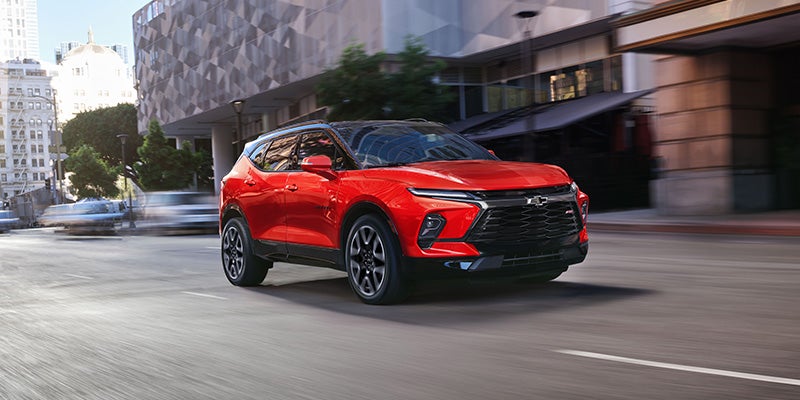
Maintaining a 2026 Chevrolet Blazer is straightforward once you know which Blazer you own. The gas Blazer is a turbo-four or V6 crossover with normal fluid-and-filter upkeep; the Blazer EV is a battery-electric SUV with far fewer scheduled items and no oil at all. This guide lays out both, so a Northwest Arkansas owner can plan the real intervals, the milestones and the warranty coverage. Regular service protects a big investment, and our certified technicians know both lines.
2026 Blazer Recommended Maintenance Schedule
Chevrolet ties Blazer service to an on-vehicle life monitor rather than a fixed odometer number. On the gas Blazer that is the GM Engine Oil Life System, with tire rotations and inspections timed to each oil-life service. The Blazer EV has no oil to monitor, so its schedule centers on tire rotation, brake and cabin-filter service and battery and coolant checks. Your Owner Center lists the milestone items for your specific vehicle, and the sections below cover the ones that carry the most weight.
Oil Change Intervals and Recommended Oil (Gas Blazer)
The gas Blazer, whether it runs the 2.0L turbo four or the RS 3.6L V6, uses the Engine Oil Life System to set each interval from how the vehicle is actually driven. It prompts a change on the driver display, and the oil and filter should be changed at least once a year with the system reset, even before the monitor reaches zero. There is no fixed mileage on the gas Blazer; the on-vehicle percentage is the number to watch. Use the full-synthetic oil grade your Owner Center specifies for your engine. Stop-and-go winter driving shortens the interval; steady highway miles lengthen it.
Blazer EV Maintenance: What Is Different
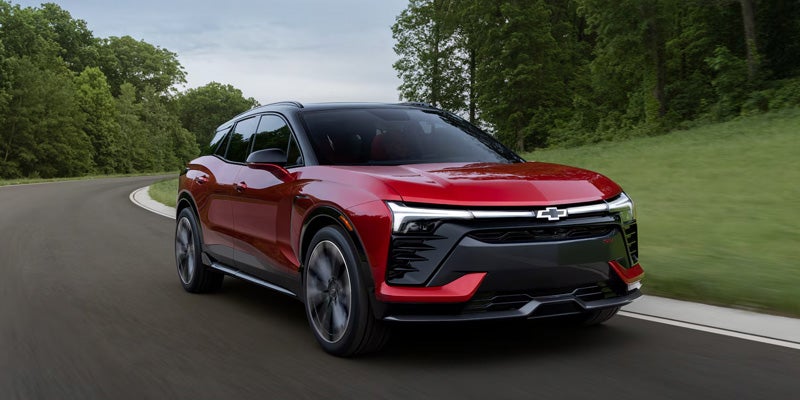
The Blazer EV has no engine oil, spark plugs or fuel system, so it skips the largest recurring gas service items entirely. What remains is lighter: tire rotation about every 7,500 to 8,000 miles, brake and cabin-filter service, and periodic battery and coolant checks on the GM schedule. Regenerative braking does much of the slowing, so the friction brakes often last longer than on a gas vehicle, which makes even tire wear and coolant health the items to stay ahead of. The result is far lower scheduled maintenance over the years than the gas Blazer.
Major Service Milestones
Plan for the familiar inspections around 30,000, 60,000 and 100,000 miles on either Blazer: fluids, filters, brakes and driveline on the gas model; tires, brakes, cabin filter and the high-voltage cooling system on the EV. A gas Blazer that commutes the I-49 corridor works its brakes and 9-speed automatic on the Ozark grades, so keep those milestone checks on schedule rather than by feel. The Blazer EV reaches the same milestones with a shorter list, but the battery and coolant inspections belong on the calendar all the same.
Common Blazer Service Items
The routine wear items are predictable on both lines. On the gas Blazer, tires and brakes come first, followed by the engine and cabin air filters and the usual fluid checks. On the Blazer EV, tires lead the list because the vehicle is heavier and instant torque is easy on the throttle, while the cabin filter and the 12-volt accessory battery round it out. Budget for tires and brakes as the main recurring spend on either Blazer, with the milestone services spaced further apart.
2026 Blazer Warranty Coverage
Both the gas Blazer and the Blazer EV share the same core Chevrolet coverage, and the EV adds one important line for its high-voltage pack. These are the terms in force for the 2026 model year.
| Coverage | Gas Blazer | Blazer EV |
|---|---|---|
| Basic (bumper-to-bumper) | 3 years or 36,000 miles | 3 years or 36,000 miles |
| Powertrain | 5 years or 60,000 miles | 5 years or 60,000 miles |
| Corrosion (rust-through) | 6 years or 100,000 miles | 6 years or 100,000 miles |
| Roadside assistance | 5 years or 60,000 miles | 5 years or 60,000 miles |
| Propulsion battery | Gas engine, no traction battery | 8 years or 100,000 miles |
Both lines include one complimentary first-year maintenance visit with a new Blazer, which covers the first oil-life service on the gas model or the first scheduled inspection on the EV.
Blazer Reliability and What to Watch
The gas Blazer is a mature crossover design carrying the 9-speed automatic across its trims, while the Blazer EV rides on GM's newer Ultium electric platform. Both benefit from staying on the on-vehicle schedule rather than stretching it. Before a long trip, check any open recall by VIN at the manufacturer's recall lookup; nothing on a marketing page substitutes for the live lookup tied to your vehicle. On the EV, keep the software current, since over-the-air updates address more than infotainment.
What a 2026 Blazer Costs to Own
Because intervals follow the on-vehicle monitor, routine upkeep on the gas Blazer clusters around oil-life services and tire rotations, with the milestone services spaced further apart; tires and brakes are the real budget line. The Blazer EV removes the oil, spark-plug and fuel-system items altogether, so its scheduled upkeep is lighter, and regenerative braking tends to stretch brake life. The trade is a higher purchase price up front for the EV against lower running and service costs over the years. Which one pays back faster depends on your annual miles and whether you can charge at home. Ask our team for an estimate tailored to how you actually drive across Northwest Arkansas.
Service Your Blazer at George Nunnally Chevrolet
Our certified technicians service both the gas Blazer and the Blazer EV every day at our Bentonville store, off SE Walton Blvd. Schedule service online, visit the service department page, or call (479) 319-2494. Ask about the complimentary first-year maintenance visit that comes with a new Blazer, and we will keep drivers across Northwest Arkansas on schedule.
2026 Blazer Maintenance FAQs
How often does the 2026 Chevy Blazer need an oil change?
The gas Blazer follows the GM Engine Oil Life System, which sets each interval from how the vehicle is driven and prompts a change on the driver display, and the oil should be changed at least once a year even before the monitor reaches zero. The Blazer EV has no engine oil to change at all.
Does the Blazer EV need less maintenance than the gas Blazer?
Yes. With no engine oil, spark plugs or fuel system, the Blazer EV skips the largest recurring gas service items, leaving tire rotation, brake and cabin-filter service, and battery and coolant checks on the GM schedule.
When should I rotate the tires?
Rotate the gas Blazer tires at each oil-life service, and the Blazer EV about every 7,500 to 8,000 miles. Even tread wear matters most on the treated winter stretches of I-49 that many Northwest Arkansas drivers commute.
What warranty comes with the 2026 Blazer?
Both the gas Blazer and the Blazer EV carry a 3-year or 36,000-mile basic warranty, a 5-year or 60,000-mile powertrain warranty, 6-year or 100,000-mile corrosion coverage and 5-year or 60,000-mile roadside assistance. The Blazer EV adds an 8-year or 100,000-mile propulsion battery warranty.
Where can I service my Blazer in Northwest Arkansas?
At George Nunnally Chevrolet, off SE Walton Blvd. Schedule service online or call (479) 319-2494, and ask about the complimentary first-year maintenance visit that comes with a new Blazer.
Explore the 2026 Chevrolet Blazer Research Hub
Your Next Step
Shop the in-stock 2026 Blazer and Blazer EV lineup at George Nunnally Chevrolet, or line up financing before you visit.
George Nunnally Chevrolet · 2700 SE Moberly Ln, Bentonville, AR 72712 · (479) 319-2494
Service intervals follow the on-vehicle life monitor and your Owner Center; confirm coverage and interval details with the dealer for your specific Blazer.
Service intervals follow the on-vehicle life monitor and your Owner Center; confirm coverage and interval details with the dealer for your specific Blazer.

May not represent actual vehicle. (Options, colors, trim and body style may vary)
The Manufacturer's Suggested Retail Price excludes tax, title, license, dealer fees and optional equipment. Dealer sets final price.